+86 15921716191 


These days, as the manufacturing world keeps evolving so fast, more and more businesses are starting to really see how important labeling and packaging automation are. I mean, if you look at the stats from MarketsandMarkets, they’re saying the global market for packaging automation is gonna hit around $70 billion by 2027—that’s pretty huge—and it’s growing at about 8.6% each year starting from 2022. Part of the reason? People are really craving more efficient supply chains and more standardized ways of doing things in production. When companies jump into automation for labeling and packaging, it’s not just about speeding things up — it also cuts down on mistakes humans might make, which means saving money and even improving product quality.
And here’s another thing, the Association for Packaging and Processing Technologies pointed out that businesses that push automation into their packing lines can see efficiency boosts of as much as 30%. That’s a big deal! It really shows how manufacturers are embracing these smart systems so they can keep up with what consumers want—quicker delivery, more customization, you name it. Focusing on automation in labeling and packaging isn’t just about following the trend; it’s about leading the way, setting the bar high for efficiency and quality in the industry.
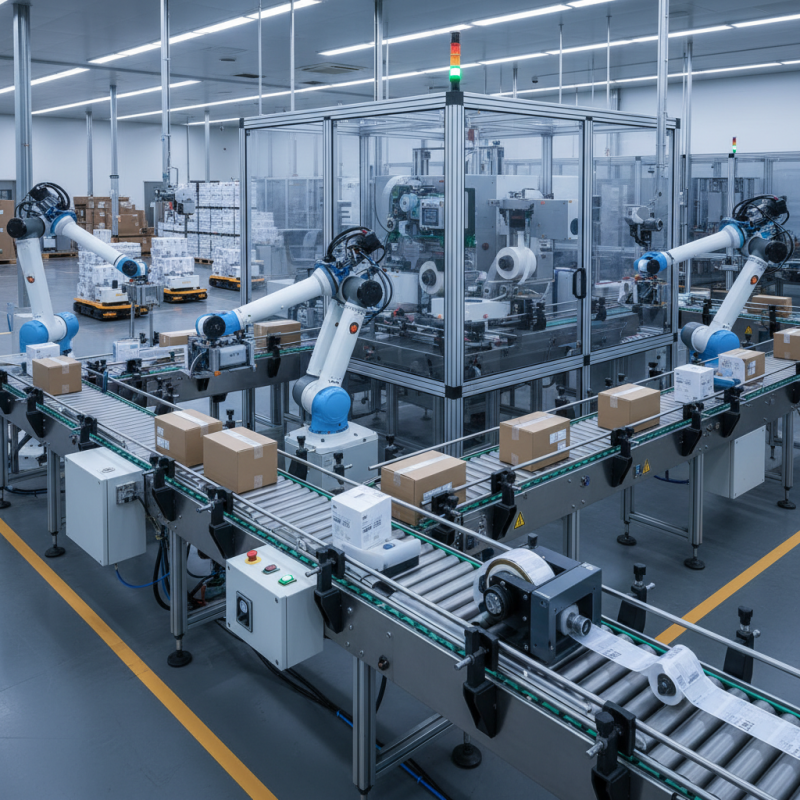
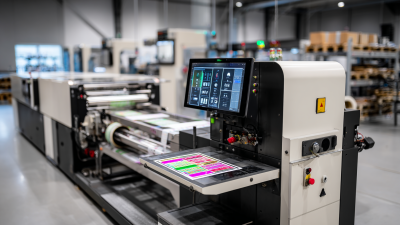
Labeling and packaging automation plays a crucial role in optimizing production efficiency and ensuring uniformity in product presentation. In today's fast-paced market, the ability to quickly label and package products accurately can significantly reduce labor costs while enhancing productivity. Automated systems minimize human error, ensuring that labels are correctly placed and printed, which leads to better compliance with regulatory standards and improved consumer trust in product quality.
Moreover, the implementation of automation in labeling and packaging streamlines the supply chain, allowing for faster response times to market demands. With variable data printing capabilities, businesses can easily customize labels for different products or promotions without the need for extensive retooling. This flexibility not only helps in managing inventory more effectively but also lays the groundwork for innovation, enabling companies to introduce personalized offerings that cater to evolving customer preferences. Investing in labeling and packaging automation thus not only boosts efficiency but also positions companies favorably in a competitive landscape.
The landscape of labeling and packaging automation technologies is rapidly evolving, driven by advancements in automation systems and the growing need for efficiency in production lines. According to a report by MarketsandMarkets, the global packaging automation market is projected to reach USD 81.12 billion by 2026, growing at a CAGR of 6.01% from 2021. This growth reflects the industry's shift towards integrating smart technologies such as IoT devices, AI, and machine learning into labeling and packaging processes, resulting in more streamlined operations and reduced labor costs.
As companies look to enhance their automation strategies, current trends indicate significant movement toward customized solutions. For instance, the use of robotic process automation (RPA) is increasingly prevalent, allowing businesses to adapt their Labeling Systems to accommodate various types of products. Furthermore, advancements in print-and-apply technology enhance the accuracy and efficiency of labeling while decreasing the risk of human error. Furthermore, the integration of digital printing technologies not only improves lead times but also supports sustainability efforts by minimizing material waste.
**Tip 1:** Implement a pilot program to assess the efficiency of new Labeling Automation technologies before a full-scale rollout. This approach allows businesses to identify bottlenecks and fine-tune processes accordingly.
**Tip 2:** Regularly update your Labeling Software to take advantage of the latest features and security enhancements, ensuring compliance with industry standards and regulations.
Embracing these trends not only positions companies competitively in the marketplace but also enables them to respond more quickly to changing consumer demands.
| Technology | Description | Benefits | Current Adoption Rate |
|---|---|---|---|
| Automated Label Applicators | Machines that automatically apply labels on products or packaging. | Increased speed and accuracy in labeling. | 60% |
| Smart Packaging | Packaging with integrated technology for monitoring and interactivity. | Enhanced customer engagement and product tracking. | 45% |
| Robotic Process Automation (RPA) | Software robots to automate repetitive tasks in packaging lines. | Cost reduction and improved efficiency. | 30% |
| Vision Systems | Optical systems to check label quality and placement. | Higher quality assurance and reduced defects. | 50% |
| Internet of Things (IoT) Integration | Connecting packaging machinery to the internet for real-time data. | Improved decision making and predictive maintenance. | 35% |
Implementing automation in packaging operations brings a multitude of key benefits that significantly enhance efficiency and productivity. One of the primary advantages is the reduction of labor costs. Automation minimizes the need for manual intervention in repetitive tasks, allowing companies to allocate human resources to more strategic areas. This shift not only streamlines the packaging process but also reduces the likelihood of errors commonly associated with manual operations.
Another critical benefit is improved consistency and quality. Automated systems ensure that every package is labeled and sealed with precision, which enhances brand integrity and reduces the risk of product recalls due to packaging errors. Moreover, automated packaging solutions can easily adapt to different product specifications, allowing for swift transitions between product lines without compromising quality. This flexibility not only speeds up production rates but also enables manufacturers to respond rapidly to market demands, thus maintaining competitive edge.
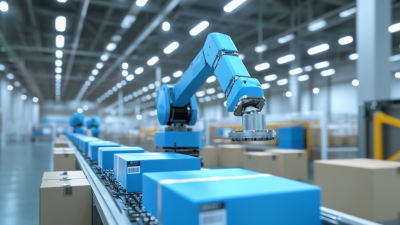
Additionally, automation significantly boosts overall throughput and scalability. As production needs increase, automated systems can be scaled up more efficiently than manual labor. This not only ensures that businesses can keep pace with growing market demands but also supports sustainability initiatives by optimizing the use of resources and minimizing waste. In an era where efficiency is paramount, embracing automation in packaging operations is a strategic move that pays dividends across various aspects of the business.
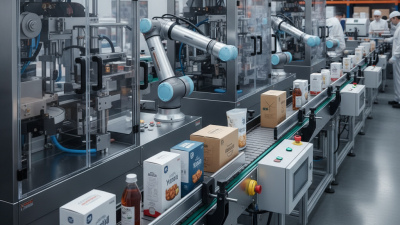
In today's fast-paced manufacturing environment, the need for efficiency has driven many companies to turn to automation in their labeling and packaging processes. A notable case study from a leading food and beverage manufacturer highlighted a shift to Automated Labeling systems that resulted in a remarkable 25% increase in productivity. By integrating advanced robotics into their packaging lines, the company could significantly reduce manual labor, effectively minimizing human error and waste. According to a recent industry report from McKinsey, businesses implementing automation in their operations have seen a 30-50% reduction in overhead costs, reaffirming the financial benefits of such technological advancements.
Another case study involving a pharmaceutical company demonstrated how automation improved compliance and traceability in their packaging processes. After adopting automated labeling solutions, they experienced a 40% reduction in labeling errors, which previously contributed to costly product recalls and compliance issues. A comprehensive analysis by the Packaging Automation Council stated that companies leveraging automation technologies can enhance speed and accuracy, leading to shorter lead times and better inventory management. Such efficiencies not only benefit the bottom line but also contribute to overall product quality and customer satisfaction, making automation an essential strategy for companies looking to thrive in a competitive market.
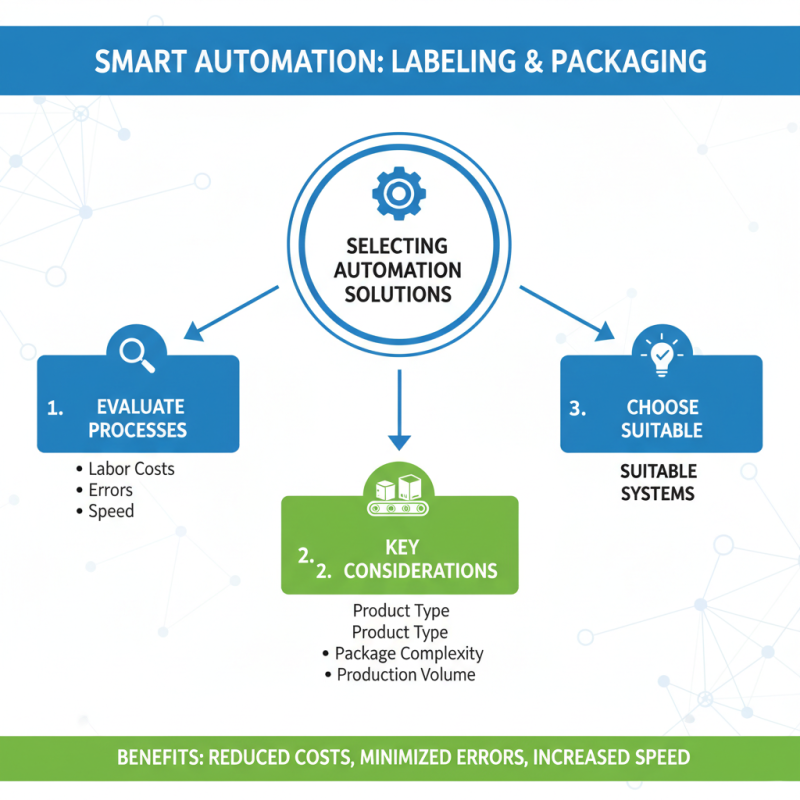
When considering labeling and packaging automation, selecting the right solutions tailored to your specific needs is crucial. The first step is to evaluate your current processes and identify areas where automation can create significant efficiencies, such as reducing labor costs, minimizing errors, and increasing production speed. Factors such as the type of products, the complexity of the packaging, and the volume of production will guide you in choosing the most suitable automation systems.
Tips for selecting the right automation solutions include:
- Assess your production volume: Determine whether your current and projected output requires high-speed automation or if a more manual approach suffices. This assessment will influence the level of investment needed for the automation systems.
- Consider flexibility: Opt for solutions that can adapt to different packaging formats and products, ensuring that your automation can easily handle any changes in demand or product lines.
- Evaluate integration capabilities: Ensure that the chosen automation systems can seamlessly integrate with your existing equipment and software to provide a smooth transition without disrupting operations.
By carefully considering these factors, you can implement effective labeling and packaging automation that enhances productivity and meets your business goals.
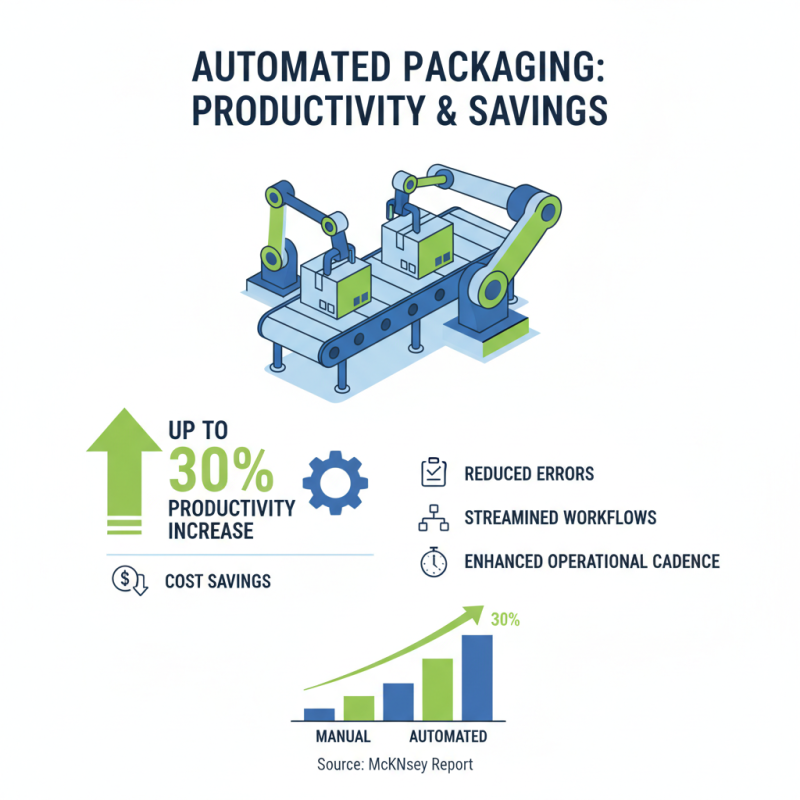
The integration of labeling and packaging automation in manufacturing processes has demonstrated significant impacts on productivity and cost savings. According to a report by McKinsey, companies that have embraced automation can see productivity increases of up to 30% within their operations. This is particularly relevant in the packaging industry, where efficient labeling systems can reduce manual errors, streamline workflows, and enhance the overall operational cadence.
In addition to productivity improvements, automation can lead to notable cost reductions. A study from Deloitte found that firms implementing advanced automation solutions experienced a decrease in operational costs by as much as 25%. As labor and material costs continue to rise, the financial benefits of automated labeling and packaging become increasingly important. Moreover, automated systems can often work around the clock, maximizing output without the associated overtime costs typically incurred with manual labor.
Furthermore, the automation of labeling and packaging processes contributes to better inventory management and resource allocation. According to the Association for Packaging and Processing Technologies, businesses utilizing automated packaging equipment have reported improvements in inventory accuracy by up to 95%. This heightened accuracy not only mitigates waste but also ensures that production schedules align closely with demand, further enhancing profitability. As industries strive for greater efficiency, the implementation of labeling and packaging automation is proving to be a decisive factor in achieving competitive advantage.
Integrating labeling and packaging automation into existing workflows can significantly enhance operational efficiency. To achieve this, it’s essential to assess your current processes thoroughly. Identify bottlenecks and areas where manual tasks can be replaced or streamlined by automation. This not only helps in planning but also ensures a smoother transition as employees are more likely to buy into changes that address existing pain points.
**Tips:** Start small by automating one aspect of the workflow at a time. This could be as simple as implementing automated labeling machines for your most frequently packaged items. By gradually integrating these solutions, you can monitor performance and adjust as necessary without overwhelming your staff or systems.
Collaboration among teams is crucial for successful automation integration. Ensure that everyone involved—from production to IT—understands the benefits and mechanics of the new system. Conduct training sessions and encourage feedback to facilitate a culture of continuous improvement.
**Tips:** Consider forming a cross-functional team dedicated to troubleshooting potential challenges as they arise. This type of team can proactively address concerns and help keep the automation integration on track, making the transition smoother for everyone involved.
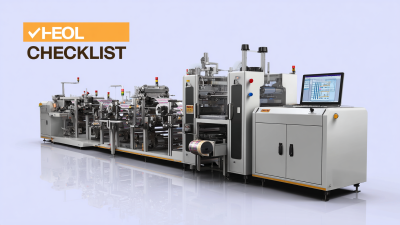
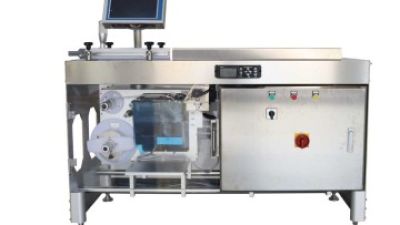
In the fast-paced world of packaging, achieving optimal efficiency is paramount for businesses looking to enhance productivity and reduce operational costs. The NCN-WPL Series Weighing & Bottom Labeling Machine stands out as a revolutionary solution that combines high-precision weighing with automated labeling. This advanced machine is engineered to deliver real-time weighing accuracy, ensuring that every product meets the necessary specifications before it reaches the customer.
With its seamless integration capabilities, the NCN-WPL Series enhances workflow by automating the labeling process at the bottom of packages. This not only minimizes the risk of human error but also speeds up production rates, allowing companies to meet increasing demand without sacrificing quality. The precision of the weighing system helps maintain consistency across products, which is crucial for maintaining brand integrity and customer satisfaction.
By adopting the NCN-WPL Series, industries that rely on meticulous weight measurement and labeling can transform their operations. This machine facilitates a streamlined approach that not only saves time but also improves overall operational efficiency. Companies can focus on their core activities while relying on this advanced technology to manage crucial aspects of packaging.
: Labeling and packaging automation optimizes production efficiency and ensures uniformity in product presentation, reducing labor costs, enhancing productivity, and minimizing human error for better compliance and consumer trust.
Automation in labeling processes significantly reduces labeling errors, which can lead to costly product recalls and compliance issues, thereby enhancing overall regulatory compliance and traceability.
Companies that adopt automation in these processes can experience productivity increases of up to 30%, streamlining workflows and enhancing operational efficiency.
Firms that implement automation solutions can see operational costs decrease by as much as 25%, which is crucial as labor and material costs continue to rise.
Automated systems enhance inventory accuracy significantly, with reports indicating improvements by up to 95%, which helps align production schedules with demand and reduce waste.
Yes, automation allows for variable data printing, enabling businesses to customize labels for different products or promotions easily, fostering innovation and catering to evolving customer preferences.
Automation minimizes the need for manual labor, effectively reducing overhead costs and preventing the additional expenses associated with overtime for manual labor.
Automated labeling and packaging processes enhance speed and accuracy, reducing errors and waste, which ultimately leads to improved product quality and customer satisfaction.
Both the food and beverage and pharmaceutical sectors have shown significant improvements in productivity, compliance, and error reduction through the implementation of automation in their labeling and packaging processes.
Labeling and packaging automation is becoming increasingly vital for businesses looking to enhance operational efficiency. This article explores the significance of automating these processes and outlines current trends in technology that drive innovation. Implementing automation offers various key benefits, including improved accuracy, reduced labor costs, and faster production rates.
Through case studies of companies that have successfully adopted labeling and packaging automation, we can see real-world examples of enhanced productivity and cost savings. Choosing the right automation solutions tailored to specific packaging needs is crucial for optimal results. Additionally, the article highlights best practices for integrating automation seamlessly into existing workflows to maximize its effectiveness. Ultimately, measuring the impact of automation on productivity can provide valuable insights into continuous improvement and resource optimization.